

Bulk Whey Protein vs Plant Protein: Which Protein Source Delivers Better Consistency?
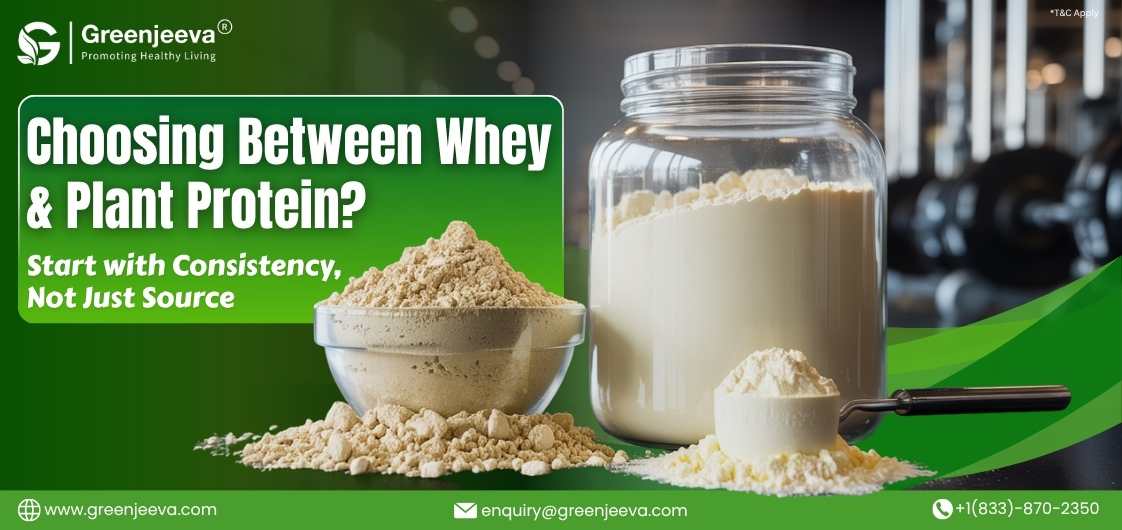
Consistency is one of the first things procurement teams assume and one of the first things that gets challenged at scale. A protein ingredient may look uniform on paper, but once it moves into production, small variations begin to show up in mixing behavior, texture, and batch performance.
This is where the comparison between whey protein powder and plant-based proteins becomes more practical than theoretical. It’s not just about protein source or positioning. It’s about how reliably that ingredient performs across batches, production cycles, and product formats.
For teams looking to bulk buy protein powder, consistency isn’t a preference—it’s a requirement.
What Does “Consistency” Really Mean in Bulk Protein Sourcing?
In bulk procurement, consistency goes far beyond matching specification sheets. It shows up in how the ingredient behaves every time it’s used.
A few key factors define this:
Batch-to-batch uniformity
Even minor variations between batches can impact final product quality. This includes differences in color, density, and protein content.
Solubility and dispersibility
How easily a protein dissolves or disperses affects mixing time, processing efficiency, and end-product texture. This is especially critical when working with whey protein powder bulk in high-volume production.
Flavor stability
Unexpected shifts in taste or aroma can create challenges in formulation, especially in flavored products.
Particle size distribution
Uniform particle size improves flowability, reduces dusting, and ensures even blending.
Moisture and shelf stability
Inconsistent moisture levels can affect shelf life, caking behavior, and storage conditions.
When evaluating bulk whey protein, these parameters often matter more than the basic protein percentage on a label.
Why Whey Protein Typically Delivers Higher Consistency
Controlled Dairy Supply Chains and Standardization
Whey protein benefits from a highly structured dairy ecosystem. Milk, as a raw material, is collected, tested, and processed under controlled industrial conditions. This reduces variability at the source level.
Compared to plant-based proteins, which depend heavily on agricultural variables like soil conditions and seasonal changes, whey offers a more stable input stream. This is one of the reasons many whey protein manufacturers can maintain tighter batch control.
Instantization and Processing Advantages
Modern whey protein powder, especially instantized variants, undergoes processing that improves dispersibility and handling. Instantization—typically through agglomeration—helps particles bind into larger, porous structures.
This results in:
- Better wettability
- Faster dispersion in liquids
- Reduced clumping during mixing
For manufacturers using bulk whey protein powder, this translates into smoother processing and more predictable outcomes.
Functional Reliability in Formulations
Whey protein is known for its relatively neutral flavor and stable functional properties. It performs consistently across different applications, from powders to liquid systems.
This reliability reduces the need for frequent formulation adjustments—something that becomes critical when working with bulk powders like whey protein at scale.

Where Plant Proteins Struggle with Consistency
Raw Material Variability
Plant proteins are directly influenced by agricultural conditions. Variations in climate, soil quality, and harvesting cycles can impact protein composition and quality.
This means that even if two batches meet the same specification range, they may behave differently in formulation.
Processing Complexity
Extracting protein from plant sources involves multiple processing steps, including mechanical separation, chemical treatment, or enzymatic processes. Each method introduces its own level of variability.
As a result, achieving uniform particle size, solubility, and texture can be more challenging compared to whey.
Sensory and Functional Variability
Plant proteins often come with inherent flavor profiles that can vary from batch to batch. Earthy or bitter notes may be more pronounced depending on the source and processing method.
In addition, issues like sedimentation and incomplete dispersion can affect product consistency—especially in liquid applications.
For teams planning to bulk buy protein powder, these variations can lead to additional formulation work and quality checks.
Whey Protein vs Plant Protein for Bulking Applications
When it comes to bulking-focused formulations, consistency becomes even more important. Texture, mixability, and protein density all play a role in the final product experience.
Whey protein for bulking is often preferred because:
- It offers stable protein concentration across batches.
- It blends smoothly into formulations.
- It delivers a consistent mouthfeel.
- It is considered a “complete protein” with all essential amino acids.
- It has a high PDCAAS score (close to 1.0), indicating high protein quality.
Plant proteins can still be used effectively, but they often require more adjustments to maintain uniformity across production runs.
Does Organic Protein Change the Consistency Equation?
Organic Whey Protein vs Organic Plant Protein
Choosing organic whey protein powder adds another layer to sourcing decisions. Certification ensures compliance with organic standards, but it doesn’t automatically guarantee higher consistency.
Organic whey still benefits from controlled dairy processing, which helps maintain stability. However, supply availability can be more limited compared to conventional whey.
Sourcing Challenges in Organic Segments
Organic plant proteins may face even greater variability due to stricter farming constraints and limited sourcing regions.
For procurement teams, this means balancing certification requirements with functional reliability—especially when consistency is a priority.
Bulk Sourcing Considerations: Whey Protein vs Plant Protein
At the sourcing level, the difference often comes down to predictability.
When evaluating a whey protein supplier or comparing whey protein wholesale options, teams typically look at:
- Consistency across recent batch COAs
- Lead time reliability
- Scalability for larger orders
- Documentation availability and transparency
Established whey protein manufacturers often provide more standardized supply chains, making it easier to plan long-term procurement.
For buyers exploring whey protein powder wholesale, having access to consistent inventory and verified documentation becomes a key advantage.

Whey Concentrate vs Whey Isolate in Bulk Supply
Within whey itself, there are important distinctions.
Whey Protein Concentrate 80% (WPC 80) is widely used due to its balance of protein content and cost-effectiveness. It works well in a range of applications where functional performance and budget both matter.
On the other hand, bulk natural pure whey isolate offers higher protein purity (typically ≥90% protein) and lower fat or lactose content. It is typically chosen for more specialized formulations.
From a consistency standpoint, both formats are generally reliable. The choice depends more on formulation requirements than variability concerns.
Final Verdict: Which Protein Source Is More Consistent at Scale?
When consistency is the priority, whey protein powder tends to offer a more predictable performance profile.
Its controlled sourcing, standardized processing, and reliable functional behavior make it easier to work with in bulk manufacturing environments.
Plant proteins continue to evolve and improve, but variability in raw materials and processing still creates challenges at scale.
For procurement teams, the decision often comes down to this:
If consistency, ease of processing, and repeatability matter most, bulk whey protein powder remains the more dependable choice.