ALL PRODUCTS
Private Label & Blending
BRANDED INGREDIENTS
R&D LAB
SERVICES
OUR FARMS
Book A Demo
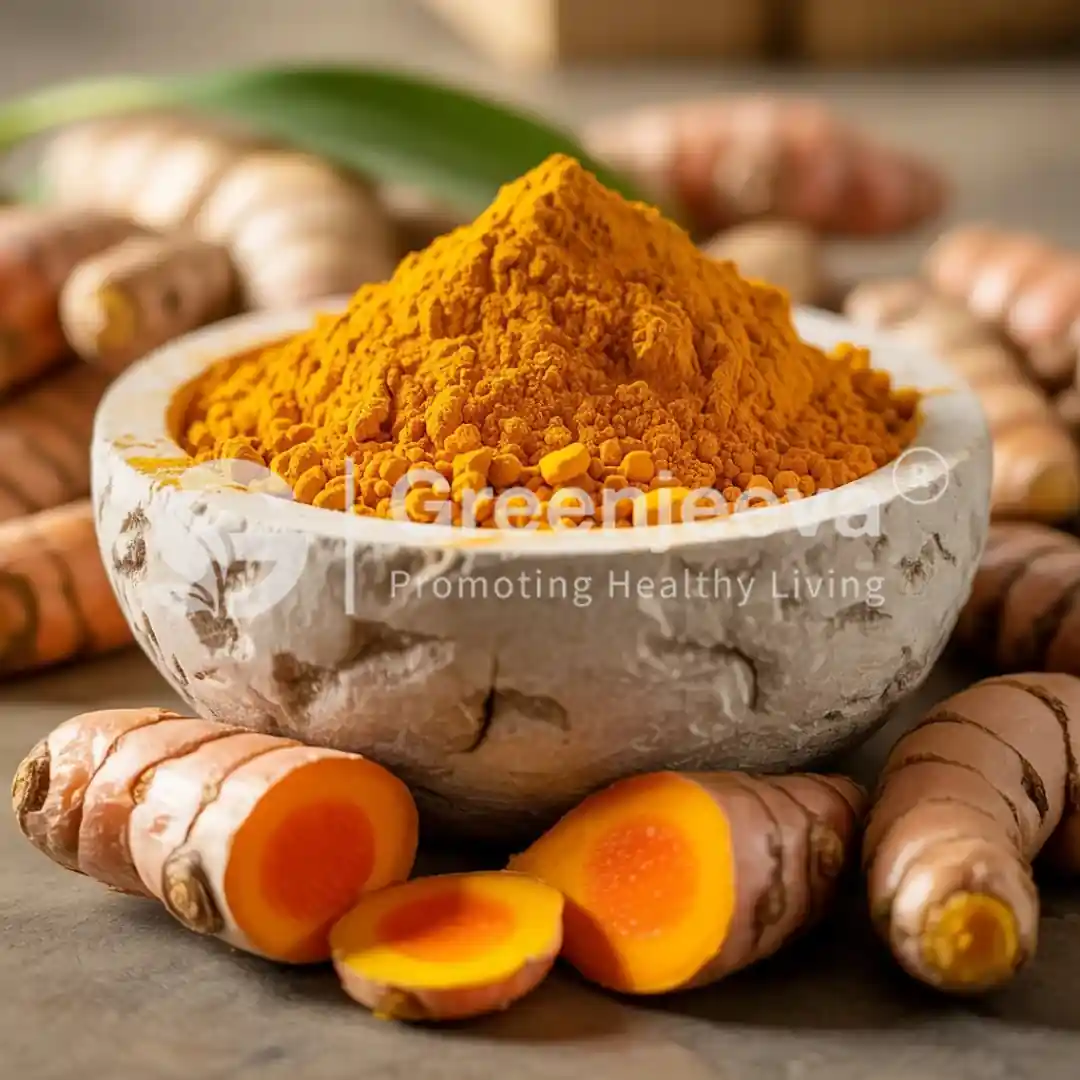
 * Product images may be AI-generated. Actual product may vary.
| Quantity | Price | Save |
|---|---|---|
| XXXXX | XXXXX | -- |
| XXXXX | XXXXX | 10.00% |
| XXXXX | XXXXX | 15.00% |
Want high volume of this product? Please place your Bid.
You can view and download product documents, access detailed product information, place orders, request samples, chat with our experts, and much more.
Botanical name: Curcuma longa
Plant Part Used: root
Processing Method: Drying, Grinding
Organic Turmeric Extract Powder 95% Curcuminoids HPLC is a concentrated form of turmeric root (Curcuma longa), which belongs to the Zingiberaceae family. This extract is standardized to contain 95% curcuminoids, the active compounds responsible for turmeric's vibrant yellow color and distinctive flavor. It offers a convenient, shelf-stable alternative to fresh turmeric, retaining the natural flavor and characteristics of the root. Often used in cooking, spice blends, and specialty food products, it provides a rich, earthy flavor and vibrant color to dishes.
| Product Category: | Organic Extracts |
| Product Sub Category: | Herbs-Spices-Seasonings |
| Product Mix Category: | Organic Extract Powders |
| Main Producing Countries | Bangladesh, China, India, Pakistan, Sri Lanka and Taiwan |
Genetically modified organisms may pose significant and challenging risks to food safety. We do not accept turmeric powder from the farms and facilities where GMO crops are grown and processed.
We provide Organic Turmeric extract of 95% with moisture content below 5%. The moisture content of the product facilitates the growth of microorganisms in the product, which in turn increases the risk of biological hazards. Moisture content below 5% in our product ensures better control of microbial growth and, in turn, increased shelf life.
Generally, the color of Organic Turmeric extract is yellow. But generally, Curcuminoids impart darker color to the turmeric powder. Hence darker color could also be attributed to the higher curcuminoid content of the product.
It is the residue remaining after the incineration of the drug or plant part. Ash value represents the amounts of inorganic salts naturally occurring in the ingredient and adhering to it. It also includes inorganic matter, which helps to identify adulteration. Ash value greater than 5% is an indicator of the addition of inorganic metal salts in the product.
We accept ash value below 5% because more content of ash value represents more impurities that adversely affect human health when consumed.

Organic
Standardized to 95% Curcuminoids – HPLC Verified
Organic Turmeric Extract Powder 95% Curcuminoids HPLC is widely utilized in:
Capsules and tablets using HPLC-standardized organic curcuminoid extract
Standardized botanical formulations built on verified organic sourcing
Concentrated curcuminoid inclusion for pre-blended formulation systems
Sourcing Bulk Organic Turmeric Extract 95% HPLC for client formulation runs
Organic, standardized inclusion for transparent, clean-label products
Procurement teams sourcing from an experienced Organic Turmeric Extract 95% Supplier prioritize organic certification documentation, HPLC assay reports, and batch consistency.
Organic Turmeric Extract Powder 95% Curcuminoids HPLC contains:
Curcumin
Demethoxycurcumin
Bisdemethoxycurcumin
Verified 95% total curcuminoids via HPLC
This organic standardized extract is distinct from Whole Organic Turmeric Powder, ratio-based extracts like 4:1, and conventional (non-organic) 95% turmeric extract. The dual positioning of Organic + HPLC standardized targets high-specification manufacturing environments.
In commercial production systems, Bulk Organic Turmeric Extract 95% HPLC offers:
High assay precision for formulation accuracy
Organic certification alignment
Consistent particle size distribution
Compatibility with encapsulation and compression processes
Concentrated inclusion efficiency
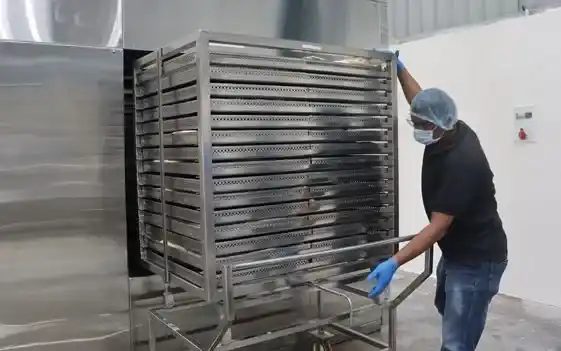
Its validated composition makes it suitable for manufacturers operating under organic regulatory frameworks.
Certified Organic raw material sourcing
Standardized to 95% total curcuminoids (HPLC verified)
Batch-tested for purity and compliance
25 kg bulk packaging for industrial procurement
Full documentation: Organic certificate, COA, MSDS, and specifications
Partnering with Green Jeeva, a verified Organic Turmeric Extract Powder Supplier in USA, ensures traceability, analytical documentation, and dependable supply continuity, backed by U.S.-based warehousing in Cerritos, California & New Jersey.
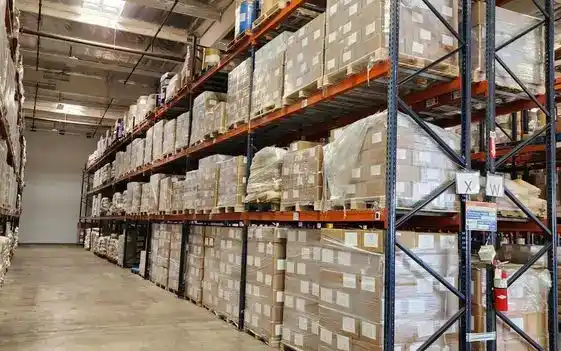
 Cerritos, California