
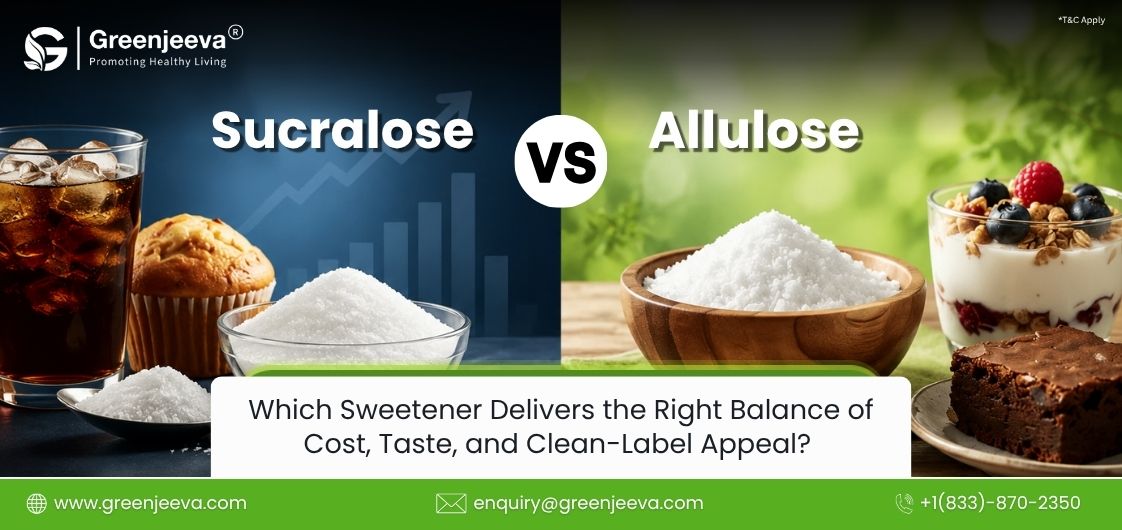
Sucralose vs Allulose: Which Sweetener Makes More Sense for North American Brands?
The sweetener conversation in North America has evolved far beyond simple sugar reduction.
Today's food manufacturers, beverage innovators, nutraceutical brands, and wellness product developers are balancing multiple priorities simultaneously: taste, cost, clean-label positioning, consumer perception, formulation performance, and regulatory considerations.
As a result, one question is increasingly appearing in formulation meetings and procurement discussions:
Should brands continue using sucralose, or is it time to switch to allulose?
The answer is not always straightforward.
While Sucralose Powder continues to dominate many high-volume applications due to its exceptional sweetness and cost efficiency, Allulose Powder is gaining momentum among brands pursuing sugar-like taste, clean-label positioning, and reduced-sugar innovation.
For sourcing managers, R&D teams, and product developers, understanding the differences between these two sweeteners is critical for making informed formulation and procurement decisions.
Why Are North American Brands Re-Evaluating Sweetener Choices?
Consumer expectations have changed dramatically over the past decade.
Today's shoppers want products that are:
• Lower in sugar
• Lower in calories
• Great tasting
• Clean-label friendly
• Compatible with wellness-focused lifestyle
At the same time, manufacturers face increasing pressure to maintain product performance while controlling ingredient costs.
This shift has fueled growing interest in various sugar alternatives, including:
• Sucralose
• Allulose
• Monk Fruit
• Stevia
• Erythritol
• Blended sweetener systems
Rather than selecting a single ingredient based solely on sweetness, many brands are evaluating complete sweetener strategies that align with both consumer expectations and commercial objectives.
Understanding Sucralose: The Long-Standing Industry Favorite
Sucralose remains one of the most widely used high-intensity sweeteners in North America.
Derived through the modification of sucrose molecules, sucralose delivers approximately 600 times the sweetness of sugar while contributing virtually no calories.
Why Manufacturers Continue to Choose Bulk Sucralose Powder
For many product categories, sucralose remains difficult to replace due to its unique advantages:
• High sweetness intensity
• Excellent heat stability
• Strong pH stability
• Low usage rates
• Consistent sweetness profile
• Effective masking of bitter ingredients
• Attractive cost-in-use economics
These characteristics have made Bulk Sucralose Powder a preferred choice across:
• Sports nutrition products
• Protein powders
• Energy drinks
• Functional beverages
• Dietary supplements
• Flavored waters
• Meal replacement formulations
For brands seeking reliable sweetness without significantly increasing formulation costs, Sucralose Supplier USA searches continue to remain strong among procurement teams.
Understanding Allulose: The Rising Star of Sugar Reduction
Allulose has emerged as one of the fastest-growing sweetener ingredients in North America's better-for-you product landscape.
Unlike high-intensity sweeteners, allulose behaves much more like traditional sugar.
It offers approximately 70% of sugar's sweetness while contributing significantly fewer calories.
What makes allulose particularly attractive is its ability to deliver functional properties that many sweeteners cannot provide.

Why Brands Are Exploring Bulk Allulose Powder
Product developers increasingly evaluate Bulk Allulose Powder because it contributes:
• Sugar-like taste
• Improved mouthfeel
• Bulking functionality
• Texture enhancement
• Browning characteristics in baked goods
• Reduced aftertaste concerns
These properties make allulose especially appealing for:
• Protein bars
• Functional foods
• Reduced-sugar snacks
• Better-for-you confectionery
• Bakery applications
• Wellness-focused products
As a result, searches for Allulose Supplier USAand Bulk Allulose Sweetener for Food Manufacturers continue to grow as more brands explore alternatives to traditional sweetening systems.
Sucralose vs Allulose: A Side-by-Side Comparison

Taste: Still the Most Important Factor
Regardless of market trends, taste remains the primary driver of repeat purchases.
Consumers may be attracted to a clean-label claim initially, but they ultimately return to products that deliver a satisfying sensory experience.
Where Sucralose Excels
Sucralose provides:
• Strong sweetness impact
• Consistent flavor performance
• Minimal usage requirements
• Effective bitterness masking
This is especially important in formulations containing:
• Creatine
• Amino acids
• Botanical extracts
• Electrolytes
• Adaptogens
• High-potency nutraceutical ingredients
Where Allulose Excels
Allulose offers:
• A sweetness profile closer to sugar
• Reduced lingering aftertaste
• Enhanced mouthfeel
• More natural sweetness perception
For brands seeking a sugar-like experience without traditional sugar levels, allulose often provides formulation advantages that high-intensity sweeteners alone cannot achieve.

Why Sports Nutrition Brands Still Rely on Sucralose
One of the strongest application segments for Sucralose for Sports Nutrition Products remains sports and active lifestyle nutrition.
Many manufacturers continue using Bulk Sucralose Powder in:
• Protein powders
• Pre-workouts
• Intra-workout drinks
• Recovery formulations
• Hydration products
The reason is simple.
Sports nutrition products frequently contain ingredients with challenging taste profiles. Sucralose helps manufacturers create enjoyable products while keeping sweetness costs extremely low.
For this reason, Sucralose for Protein Powder Formulations remains a highly relevant consideration for North American brands.
Why Clean-Label Brands Are Exploring Allulose
Consumer interest in ingredient transparency continues to influence purchasing decisions.
Many emerging brands now emphasize:
• No artificial sweeteners
• Reduced sugar
• Naturally inspired formulations
• Better-for-you positioning
This trend has encouraged greater adoption of allulose across categories such as:
• Functional snacks
• Wellness beverages
• Protein bars
• Better-for-you desserts
• Reduced-sugar bakery products 4
For brands prioritizing clean-label messaging, allulose may support broader marketing and product positioning objectives.
Read The Blog: Sourcing Challenges for Natural Sweeteners: Challenges and Solutions
The Rise of Sweetener Systems
One of the most important formulation trends today is the shift away from relying on a single sweetener.
Instead, manufacturers are increasingly developing sweetener systems that combine the strengths of multiple ingredients.
Examples of Modern Sweetener Systems

This approach allows brands to optimize:
• Taste
• Cost
• Label claims
• Consumer acceptance
• Functional performance
As a result, many sourcing teams now evaluate complete Sweetener Systems for Beverages and foods rather than individual ingredients alone.
What Procurement Teams Should Consider Before Switching
Before replacing one sweetener with another, procurement and R&D teams should carefully evaluate several factors.
Which Sweetener Makes More Sense for North American Brands?
The answer depends on product goals.
Sucralose May Be the Better Choice If Your Priority Is:
• Cost efficiency
• High sweetness intensity
• Sports nutrition applications
• Beverage formulations
• Flavor masking
• Low inclusion rates
Allulose May Be the Better Choice If Your Priority Is:
• Sugar-like taste
• Mouthfeel enhancement
• Texture contribution
• Reduced-sugar innovation
• Clean-label positioning
• Better-for-you product development
Many Brands Will Choose Both
Increasingly, manufacturers are not choosing between sucralose and allulose.
Instead, they are building advanced sweetener systems that leverage the strengths of each ingredient while addressing taste, functionality, and commercial objectives.
Final Thoughts
For North American food, beverage, nutraceutical, and wellness brands, the debate is no longer simply Sucralose vs Allulose.
The real question is how to balance sweetness performance, formulation functionality, consumer expectations, and cost efficiency in a rapidly evolving marketplace.
BulkSucralose Powder continues to play a critical role in sports nutrition, supplements, and beverage applications due to its exceptional sweetness and economical usage rates. Meanwhile, Bulk Allulose Powder is gaining traction among brands focused on sugar reduction, sensory improvement, and clean-label innovation.
As consumer preferences evolve, successful manufacturers will increasingly evaluate complete sweetener systems rather than relying on a single ingredient solution. Working with an experienced ingredient supplier that can support sourcing, documentation, quality assurance, and formulation goals can help brands navigate these decisions more effectively and bring competitive products to market with confidence.