
Cosmetics Ingredients Wholesale: The B2B Buyer's Guide to Sourcing Reliable Cosmetic Raw Material Suppliers
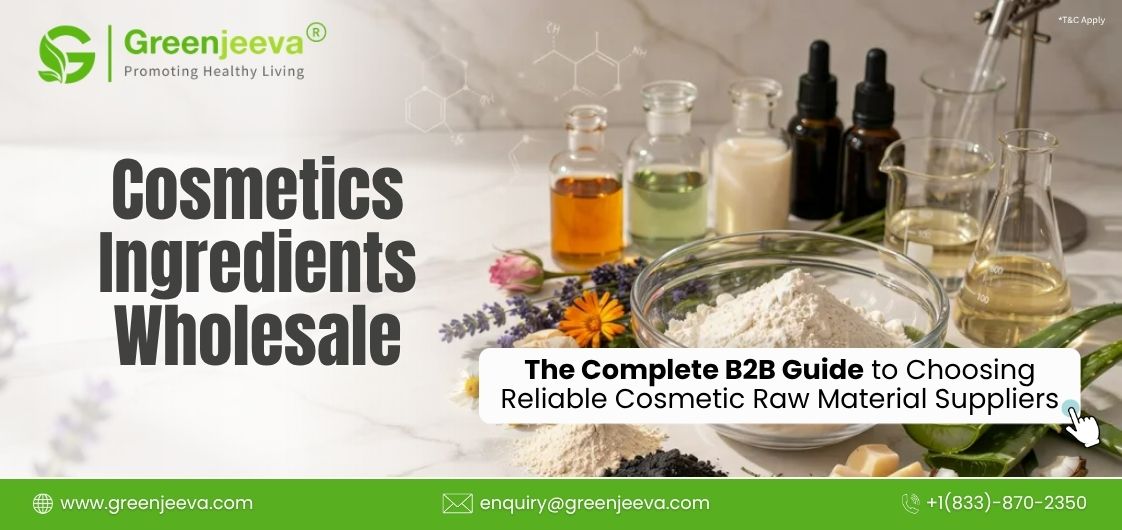
Sourcing cosmetics ingredients wholesale means buying cosmetic raw materials in bulk directly from a certified cosmetic raw material supplier, reducing per-unit cost while securing consistent, ISO/GMP-verified quality for B2B manufacturing and private label formulation.
Understanding the Importance of Quality Cosmetic Raw Materials
Quality cosmetic raw materials directly determine formulation performance, shelf stability, and regulatory compliance. B2B buyers who prioritize cosmetic ingredient quality assurance from a trusted cosmetic raw material supplier for B2B reduce reformulation costs and protect brand reputation across every batch.
The cosmetics industry runs on innovation and efficacy, both of which trace back to the raw materials used. Partnering with a reputable cosmetics ingredients wholesale supplier ensures consistent, superior formulations. Cutting corners on ingredient sourcing typically shows up later as stability failures, inconsistent texture, or compliance flags during an audit.
This is the foundation of B2B sourcing cosmetics ingredients: the supplier you choose sets the ceiling for what your formulations can achieve, long before a product ever reaches a customer.
How to Find a Reliable Cosmetic Raw Material Supplier
To find a reliable cosmetic ingredient supplier, verify ISO and GMP certified ingredients, request a diverse product catalog, check third-party audit history, and confirm documented quality-control processes before placing a bulk purchase order.

What to look for in a cosmetics ingredient's supplier
• Research and background check. Confirm industry reputation, certifications, and customer references before engaging. Look for established companies with a strong track record in supplying premium cosmetic raw materials.
• Diverse product range. Choose reliable cosmetic ingredient suppliers offering multiple ingredient categories, so you have options to meet your formulations' unique requirements as they evolve.
• Quality assurance and certifications. ISO and GMP certified ingredients signal a documented, auditable quality system, not just a marketing claim. Prioritize suppliers who can produce current certificates on request, not just a logo on their website.
Effective Communication with Cosmetic Ingredient Suppliers
Clear specifications, sample requests, and open dialogue with your cosmetic raw material suppliers prevent costly reformulation cycles and shorten the time between initial inquiry and a confirmed bulk purchase order.
• Clear specifications. Share exact quantity, purity, and formulation requirements up front. Vague requests lead to mismatched shipments and wasted lead time.
• Sample requests for bulk ingredients. Always request and test samples before committing to a bulk cosmetic ingredient supplier USA-wide order. This lets you evaluate texture, purity, and performance firsthand.
• Open dialogue. Maintain ongoing communication with your chosen supplier and address formulation questions, concerns, or customization needs promptly through a dedicated account contact.
Bulk Purchasing Cosmetic Ingredients: Cost and Consistency Advantages
Buying cosmetic raw materials wholesale lowers per-unit cost through volume pricing while guaranteeing formulation consistency across production runs. These two advantages make bulk purchasing standard practice for established cosmetics manufacturers and private label brands alike.
Bulk purchasing cosmetic ingredients also means you are working with cosmetic formulation raw materials from a single, verified lot, which removes the batch-to-batch variability that comes from mixing suppliers or reordering in small quantities.

Managing Supply Chain Risk in Cosmetics Manufacturing
Managing supply chain risk in cosmetics manufacturing means diversifying suppliers and building contingency plans, so a single disruption, whether a shipping delay, raw material shortage, or geopolitical event, never halts your production line.
• Supplier diversification strategy. Avoid single-source dependency by qualifying at least two suppliers per critical ingredient category. Relying on one supplier might seem convenient, but it raises your exposure to disruption.
• Contingency planning in supply chain. Document backup sourcing routes for high-risk ingredients before disruption occurs, not after. A written contingency plan is the difference between a short delay and a stalled production line.
Supply chain management for cosmetics is not a one-time setup. It needs to be revisited as your ingredient list, order volume, and supplier base change.
Sourcing Sustainable, Private-Label-Ready Ingredients in the USA
Sourcing sustainable cosmetic ingredients in the USA means confirming traceability documentation and renewable sourcing practices with a wholesale cosmetics ingredients supplier for manufacturers who also supports private label and custom blending programs.
A cosmetic ingredient supplier for private label should offer traceable, sustainably sourced raw materials alongside formulation support. This combination lets B2B brands scale a private label line without managing multiple vendor relationships for sourcing, blending, and quality control separately.
The Way Forward
In cosmetics ingredients wholesale, the selection of cosmetic raw materials plays a pivotal role in shaping product excellence. As B2B professionals, partnering with reputable cosmetics ingredients suppliers is the cornerstone of delivering exceptional products. By understanding the importance of quality ingredients, identifying reliable suppliers, communicating clearly, buying in bulk with intention, and managing supply chain risk, your B2B venture can navigate the cosmetics industry successfully and grow in a competitive market.
As you move forward with sourcing wholesale cosmetics ingredients, remember that the ingredients you choose define the essence of your cosmetic products. Working with a trusted cosmetic raw material supplier for B2B gives you the foundation to create cosmetics that stand out, meet customer expectations, and support your brand's long-term success.