
Sourcing USDA Organic Triphala Powder in Bulk: Compliance, Quality & Cost Insights
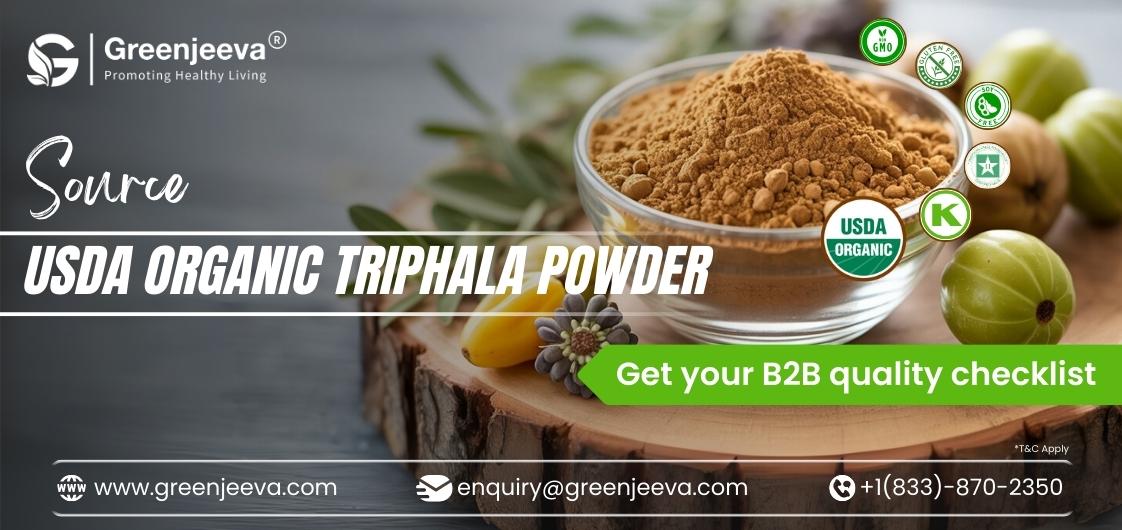
In a market where clean-label botanicals are no longer a niche but a necessity, Bulk Organic Triphala Powder is quickly becoming a cornerstone ingredient for forward-thinking nutraceutical brands .From heritage Ayurvedic formulas to next-generation functional foods, Triphala’s versatility is fueling its surge in global demand.
Industry analysts project the herbal supplements sector tour pass USD 100 billion by 2030, propelled by consumer shifts toward USDA Organic, non-GMO, and plant-based products. ForB2B sourcing managers, R&D teams, and brand owners, this rise presents both an opportunity and a challenge: how to secure a consistent, certified, and competitively priced supply of Triphala powder in bulk without compromising on quality or compliance.
This blog will explore theB2B sourcing landscape for Triphala powder from understanding its origins and forms, to identifying key quality benchmarks, navigating global supply chains, exploring applications in nutraceutical and functional food formulations, and optimizing bulk procurement strategies. Whether you’re expanding your herbal portfolio or securing a long-term supply partner, the following insights can help you make informed, compliant, and commercially viable sourcing decisions.
What is Organic Triphala Powder in the Context of Bulk Supply?
Organic Triphala Powder is a finely milled blend of three dried fruits:Amla (Emblica officinalis),Haritaki (Terminalia chebula), and Bibhitaki (Terminalia bellirica) all staples of traditional Ayurvedic formulations. When sourced and processed according to USDA Organic standards, Triphala powder is free from synthetic pesticides, GMOs, and irradiation.
In bulk supply, Triphala is typically available in:
- Organic and conventional grades
-Powder form (60–80 mesh common)
- Custom particle sizes for specialized applications
- Moisture content between ≤10%to ensure shelf stability
Global sourcing origins
include India, Sri Lanka, and parts of Southeast Asia, where climatic conditions support optimal fruit growth. The post-harvest process including careful drying, grinding, and sieving plays a major role in preserving its active plant compounds.
For nutraceutical manufacturers, the mesh size affects blend uniformity, capsule fill consistency, and mouthfeel in functional food products. This makes selecting a supplier with precision milling capabilities essential for maintaining product performance.
Quality Benchmarks for Bulk Organic Triphala Powder
When purchasing USDA Organic Triphala Powder in bulk, quality specifications are critical for both compliance and product consistency.
Key Specifications
- Purity: 100% Triphala blend with no fillers or adulterants
- Mesh Size: 60–80 mesh for most applications
- Moisture Content: ≤10% to prevent microbial growth
- Color & Aroma: Consistent light brown to dark tan, mild earthy fragrance
Certifications & Compliance
Look for suppliers holding:
- USDA Organic
- GMP (Good Manufacturing Practices)
- ISO 22000 / HACCP for food safety
- Non-GMO Project Verified
- Kosher & Halal for market versatility
Testing & Validation Protocols
Top-tier suppliers conduct rigorous lab tests for:
-Microbial counts(TVC, yeast, mold, pathogens)
- Heavy metals(lead, arsenic, cadmium, mercury)
- Pesticide residues(per organic standards)
- Allergen screening

Sensory & Visual Evaluation
B2B buyers should also evaluate sensory attributes consistent particle size, uniform color, and absence of foreign matter. These physical traits directly affect downstream processing, especially for high-speed encapsulation or beverage blending.
Traceability & Documentation
Batch-level Certificates of Analysis (COA), organic transaction certificates, and export-compliant documentation are essential for smooth market entry in North America, the EU, and Asia-Pacific.
Sourcing Insights & Supply Chain Transparency
Major Production Hubs
India remains the largest producer of Triphala due to its abundant access to the three component fruits and established processing infrastructure. Secondary hubs exist in Sri Lanka and Nepal, though these often focus on smaller-scale or boutique organic production.
Seasonal Availability & Lead Times
-Harvest Periods: Amla (Feb–April), Haritaki (May–July), Bibhitaki (Oct–Dec)
- Peak harvesting seasons influence raw material prices and bulk availability.
- Lead times for bulk orders typically range from4–8 weeks, depending on harvest cycles and processing schedules.
Sustainability & Traceability
Modern nutraceutical buyers increasingly demand farm-to-factory transparency. Reputable suppliers provide GPS-tracked farm sourcing records, organic farm certifications, and supplier audit reports.
Logistics Considerations
Export logistics for bulk Triphala powder typically involve FOB (Free on Board) or CIF (Cost, Insurance, Freight)terms. Large-volume buyers may negotiate DDP (Delivered Duty Paid)for turnkey delivery. Packaging formats (10 kg, 25 kg, 100 kg) influence freight costs and storage requirements.
Mitigating Supply Chain Risks
Establishing long-term supply contracts can protect buyers against price volatility caused by climate variability or currency fluctuations. Partnering with suppliers that have multiple certified processing facilities ensures business continuity in the event of localized disruptions.
Applications in Food & Nutraceutical Formulations
USDA Organic Triphala Powder is a multifunctional ingredient with broad appeal across nutraceutical and functional food categories.
Nutraceuticals
Ideal for capsules, tablets, and herbal blends, Triphala powder works well in synergistic formulas with botanicals like turmeric and ginger. Its fine particle size supports efficient encapsulation and uniform tablet pressing.
Functional Beverages
Used in detox teas, herbal infusions, and smoothie mixes, Triphala’s earthy profile pairs well with citrus or mint flavorings. In instant beverage powders, micro-encapsulation can improve cold-water dispersibility.
Functional Foods
Incorporated into fortified snack bars, superfood drink mixes, and herbal-coated nuts, Triphala adds natural heritage value and a clean-label appeal.
Market Trends Influencing Demand
The clean label movement favors minimally processed botanicals with clear sourcing stories. Triphala’s Ayurvedic heritage enhances its branding potential, while organic certification strengthens sustainability claims.
Regional Positioning Examples
North America: Marketed as a “heritage botanical” for premium wellness lines
Asia-Pacific: Positioned as an everyday herbal blend for digestive wellness and vitality
Bulk Procurement Tips for Buyers
Evaluate Supplier Credibility
- Verify GMP certification and regulatory compliance history
- Request customer references, case studies, and audit reports
- Conduct remote or on-site facility inspections
Documentation & Batch Traceability
- COA for each production batch
- Organic certificate valid for production period
- Export compliance documents aligned to your target market regulations
Pricing Factors
- Quality Grade: Premium 100% organic commands higher pricing
- Certifications: Multiple certifications increase marketability but add cost
- Order Volume & Packaging: Larger orders typically qualify for per-unit discounts
Cost Optimization Strategies
- Order during off-peak seasons to avoid high harvest prices
- Consolidate shipments to lower per-unit freight
- Negotiate multi-shipment supply agreements for stable pricing and guaranteed availability

Conclusion
Sourcing USDA Organic Triphala Powder in bulk is not just a procurement decision it’s a strategic move that impacts product quality, regulatory compliance, and brand credibility. By partnering with a GMP-certified Triphala powder organic supplier that offers full traceability, robust documentation, and competitive pricing strategies, you can confidently integrate this versatile botanical into your nutraceutical or functional food product lines.
For bulk orders or supplier evaluation, always prioritize long-term partnerships that align with your company’s quality and sustainability values.
The Food and Drug Administration has not evaluated these statements. This product is not intended to diagnose, treat, cure, or prevent any disease.