
Organic Sacha Inchi Powder Supplier USA: The 2026 Bulk Sourcing Playbook for Skincare and Haircare Brands
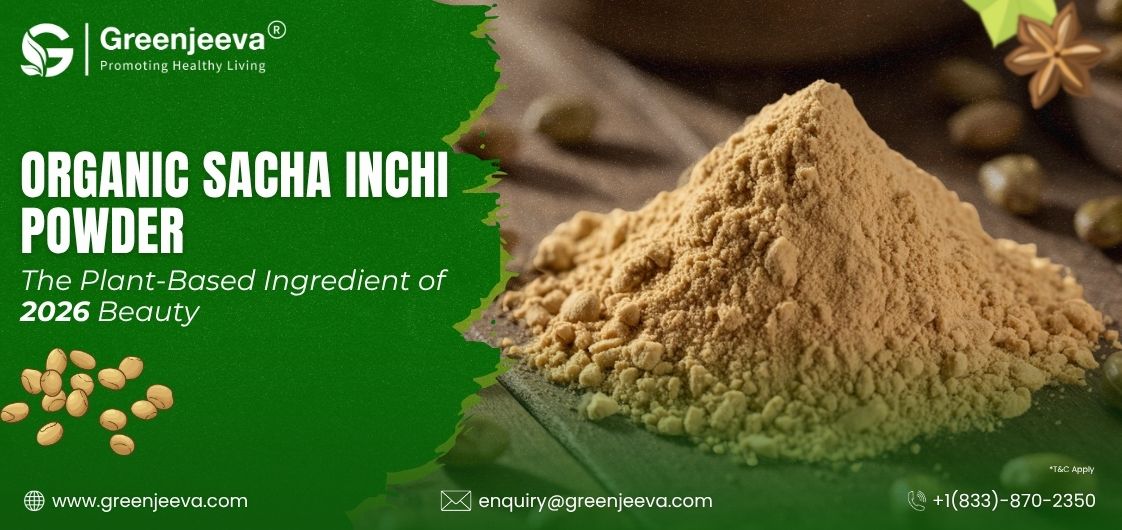
Organic sacha inchi powder is a cold pressed, plant-based ingredient made from the seeds of Plukenetia volubilis, and it has become a go to active for clean label skincare and haircare brands that need hydration, texture, and a documented, vegan supply chain. But not every supplier that sells the ingredient can actually back it up with certification, traceability, and batch level documentation. This guide walks procurement teams and formulators through what the ingredient does, where it performs best, and exactly how to vet a bulk organic sacha inchi powder supplier in the USA before signing a purchase order.
What is organic sacha inchi powder
Organic sacha inchi powder is the ground, cold pressed seed of Plukenetia volubilis, a plant native to the Amazon basin and commonly known as Inca peanut. On an ingredient deck it is listed under the INCI name Plukenetia Volubilis Seed Powder, which is the name your regulatory team should be checking for on any supplier's documentation.
What makes the powder useful in formulation is its fatty acid profile. It is naturally rich in omega 3 and omega 6 fatty acids, which support skin barrier repair and give it a light, fast absorbing feel compared with heavier plant oils. That combination, a documented botanical origin plus a formulation friendly texture, is why it shows up across both skincare and haircare lines that are trying to build a clean, explainable ingredient story for consumers.
It is also worth separating the powder from sacha inchi oil, which is a related but different raw material with its own INCI listing and a more oil like handling profile. Brands sourcing for a specific texture should confirm with their supplier which form they are actually being quoted, since the two are sometimes marketed interchangeably.
Organic sacha inchi powder in skincare formulations
In skincare, organic sacha inchi powder is most often used to replace petroleum derived emollients in moisturizers, masks, and barrier repair formulas. It delivers a lightweight hydration profile with a fast absorbing finish, which fits the broader shift toward "superfood beauty" positioning where consumers expect an ingredient story they can look up and understand.
• Moisturizers and creams: adds slip and a light, non-greasy after feeling while supporting barrier function claims.
• Masks and serums: works alongside antioxidants as a supporting active in calming and barrier repair formulas.
• Sensitive skin lines: allergen free, COA backed sourcing supports a low irritation positioning, though brands should still run their own patch and stability testing before making sensitive skin claims, since safety depends on the full formulation and not the raw ingredient alone.
Organic sacha inchi powder in haircare formulations
Haircare is one of the fastest growing categories for plant-based actives, and organic sacha inchi powder fits well into silicone free and sulfate free formulations because of how easily it disperses in both anhydrous and water-based systems.
• Shampoos and conditioners: reinforces a botanical positioning and supports scalp conditioning without weighing down fine hair.
• Repair masks and treatments: pairs well with other plant oils to improve texture and manageability on chemically treated or heat damaged hair.
• Leave in sprays and serums: disperses cleanly in lightweight, water-based formulas, which makes it a good fit for scalp care and styling products that need to stay light.

Sourcing checklist: how to vet a bulk organic sacha inchi powder supplier
Vetting a bulk organic sacha inchi powder supplier comes down to five checks, and skipping any one of them creates compliance risk that usually surfaces later, during an audit or a retailer's ingredient review rather than at the point of purchase.
• Certifications: Confirm current USDA Organic, Non-GMO, vegan, and allergen free status. USDA Organic status can be verified through the USDA National Organic Program, and where a cosmetic specific standard matters, check for a listing with COSMOS-standard. A certificate that a supplier emails you is not the same as a verifiable, current listing.
• Traceability: Ask for seed to shelf documentation rather than a general country of origin statement. A supplier that can show you where a specific lot was grown and processed is a very different proposition from one that can only point to a region on a map.
• Batch level COA: A reliable supplier issues a batch specific Certificate of Analysis before you commit to a purchase order, not after the material has shipped. If a supplier cannot produce a COA tied to an actual lot number on request, treat that as a warning sign.
• US based logistics: A supplier holding US inventory shortens lead times, simplifies customs, and gives you faster access to documentation compared with ordering direct from an overseas processor.
• Formulation support: Suppliers that offer sample testing and technical guidance shorten your development cycle meaningfully, since you are not troubleshooting stability or dispersion issues alone.

Pricing and private label options
Bulk organic sacha inchi powder pricing typically scales with three variables: order volume, certification tier, and whether you need private label packaging rather than raw material in bulk drums. Because pricing shifts with seasonal freight costs and certification audits, most legitimate suppliers will not publish a single fixed per kilogram number online. Instead, expect to request a quote against your specific target volume, which is a normal part of B2B ingredient sourcing rather than a sign of opacity.
Brands that want to move beyond raw ingredient supply into a finished product can work with a private label and custom blending partner to launch a formulation under their own brand. This route is typically faster than building an in house research and development team from scratch, particularly for smaller or newer brands trying to get a first SKU to market.
Why organic sacha inchi powder fits 2026 sustainability and compliance goals
Organic sacha inchi powder supports sustainability positioning because it comes from a renewable, regeneratively farmed crop rather than a synthetic or petroleum derived source. As labeling scrutiny continues to increase in both the US and EU, certified organic and non-GMO sourcing tends to simplify the regulatory review process during product approval, since much of the documentation a brand needs is already built into the supplier relationship rather than assembled after the fact.
For procurement teams building a 2026 sourcing roadmap, the practical takeaway is to treat certification and traceability as a baseline requirement rather than a differentiator. The differentiator is increasingly which supplier can move quickly on documentation requests, support private label development, and hold enough US inventory to keep a product launch on schedule.